Emulsion paint is a popular choice for interior and exterior walls, but achieving a smooth, long-lasting finish depends on proper application. In this comprehensive guide, discover the most common mistakes to avoid when using emulsion paint, along with expert tips to ensure a flawless, durable, and professional-looking result every time.
Introduction: Why Getting Emulsion Paint Right Matters
Emulsion paint has become the go-to solution for homeowners, painters, and contractors because of its durability, low odor, quick drying time, and smooth finish. However, despite its ease of use, many people still end up with poor results due to avoidable mistakes.
Whether you're a DIY enthusiast or a professional painter, understanding the common pitfalls of using emulsion paint can save you time, money, and frustration. A well-applied emulsion paint job not only enhances the beauty of your space but also ensures long-term protection for your walls.
1. Skipping Proper Surface Preparation
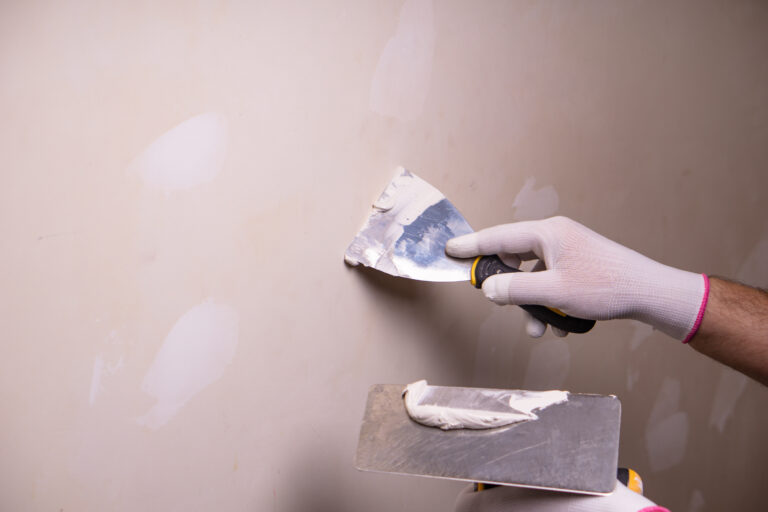
One of the most common mistakes when using emulsion paint is neglecting surface preparation. Painting over dirty, dusty, or oily walls can prevent the paint from adhering properly.
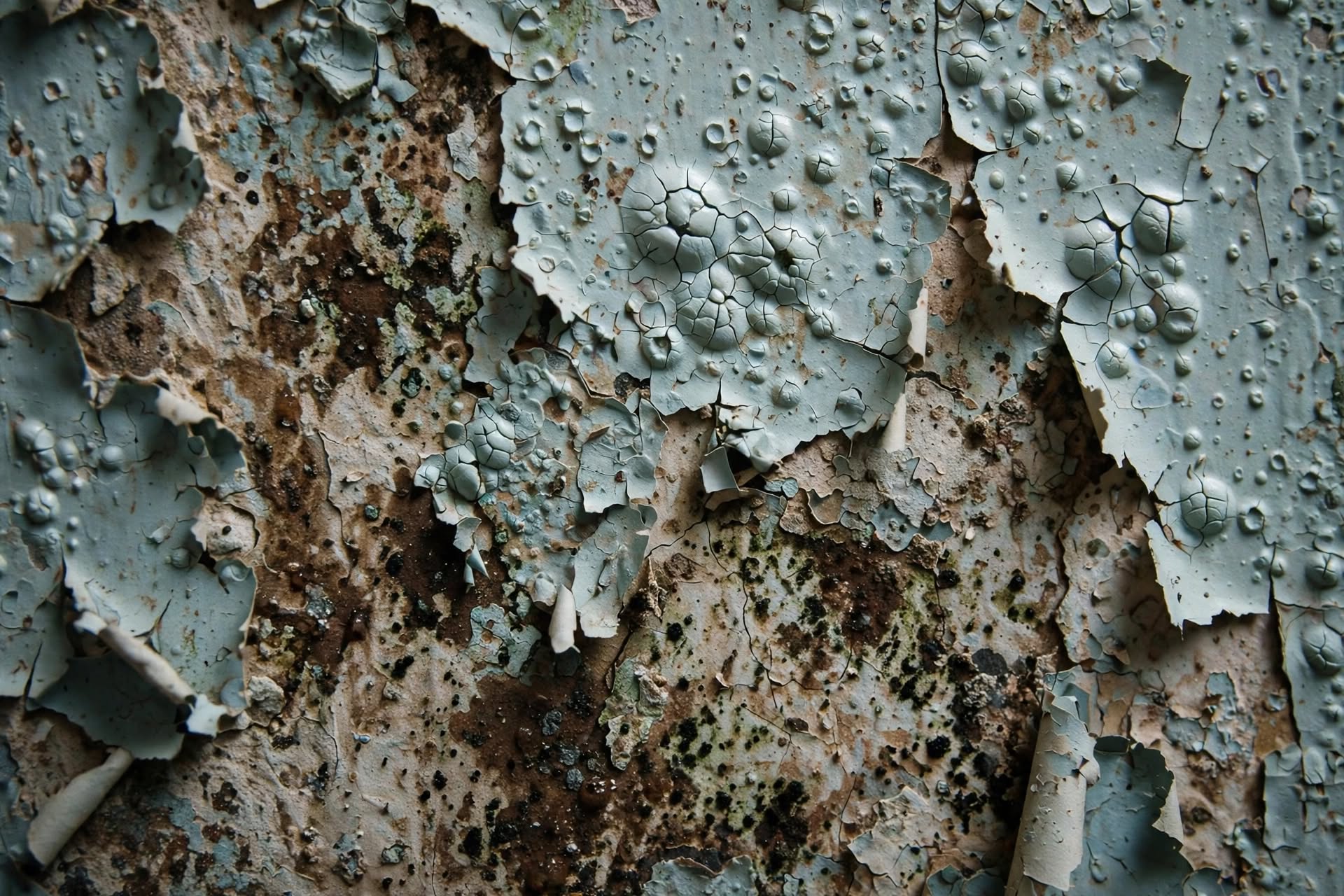
Walls should be cleaned thoroughly and free from grease, mould, or peeling paint. Any cracks or holes should be filled, and the surface should be smooth before painting begins. Skipping this step often leads to peeling, bubbling, or uneven finishes, even when using high-quality emulsion paint.
2. Not Using a Primer or Sealer
Many people assume that emulsion paint can be applied directly to any surface, but this is not always true. Failing to use a primer or sealer can result in poor adhesion and uneven color.
Primers help to create a uniform surface, improve paint bonding, and enhance the final appearance. This is especially important when painting new walls, patched areas, or surfaces with strong color variations.
3. Applying Paint on Damp Walls
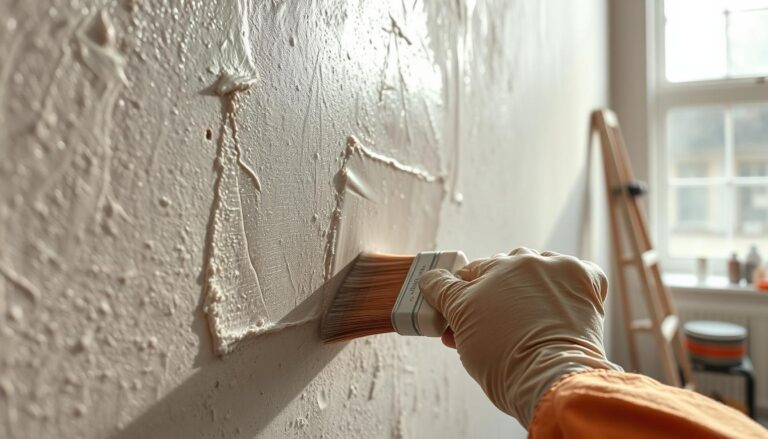
Painting on damp or wet surfaces is a major mistake that can ruin your entire project. Moisture trapped beneath emulsion paint can cause blistering, peeling, and mould growth over time.
Before applying emulsion paint, ensure that the walls are completely dry. In moisture-prone areas, always use a high-quality, moisture-resistant emulsion paint like those supplied by Nexgen Paint for better durability.
4. Using Low-Quality Emulsion Paint
The quality of emulsion paint plays a significant role in the final outcome. Cheap or low-quality paints may seem cost-effective initially but often lead to poor coverage, fading, and reduced durability.
This is why it’s important to choose a trusted brand. Nexgen Paint produces and supplies the best emulsion paint in Nigeria, offering superior coverage, rich color retention, and long-lasting performance for both interior and exterior applications.
5. Applying Thick Coats Instead of Thin Layers
Another common mistake is applying thick coats of emulsion paint in an attempt to achieve faster coverage. This often results in drips, uneven drying, and visible brush or roller marks.
The best approach is to apply multiple thin coats, allowing each layer to dry completely before applying the next. This ensures a smooth, even, and professional finish.
6. Ignoring Drying Time Between Coats
Patience is key when working with emulsion paint. Many people rush the process by applying a second coat before the first one has dried properly.
This can lead to patchiness, peeling, and a compromised finish. Always follow the recommended drying time provided by the manufacturer, especially when working with premium paints like Nexgen Paint for optimal results.
7. Using the Wrong Painting Tools
The tools you use can significantly impact the quality of your emulsion paint job. Using low-quality brushes or the wrong type of roller can lead to streaks, lint marks, or uneven coverage.
For best results, use high-quality rollers for large surfaces and brushes for edges and corners. When paired with a high-grade emulsion paint like Nexgen Paint, the difference in finish is clear.
8. Poor Paint Mixing
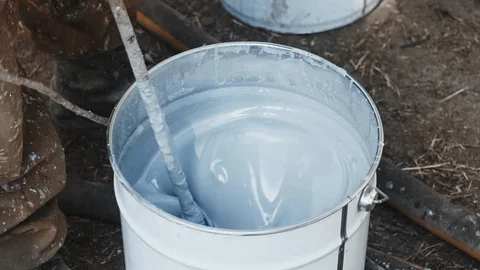
Failing to mix emulsion paint properly before use can result in inconsistent color and texture. Pigments can settle at the bottom of the container, leading to uneven application.
Always stir the paint thoroughly before and during use to ensure a uniform mixture and consistent finish across the surface.
9. Painting in Poor Weather Conditions
Environmental conditions can affect how emulsion paint dries and adheres. Painting in extremely hot, cold, or humid conditions can lead to cracking, blistering, or slow drying.
For the best results, paint in moderate temperatures with good ventilation. This helps the emulsion paint dry evenly and form a durable finish.
10. Overlooking Final Finishing Touches
Many people focus on painting but neglect the finishing details. Uneven edges, paint splashes, and missed spots can ruin an otherwise good job.
Take time to inspect your work, touch up imperfections, and ensure clean lines for a polished and professional appearance.
Why Nexgen Paint Stands Out in Nigeria
When it comes to achieving the best results with emulsion paint, the quality of the product matters just as much as the application process.
Nexgen Paint produces and supplies the best emulsion paint in Nigeria, designed to meet the needs of both homeowners and professionals.
Their paints are formulated for superior coverage, long-lasting color, resistance to weather conditions, and ease of application; making them a trusted choice for projects of any size. You can contact Nexgen Paint to enquire more
Conclusion: Achieving the Best Results with Emulsion Paint
Using emulsion paint may seem straightforward, but avoiding common mistakes is essential for achieving a flawless finish. From proper surface preparation to using the right tools and techniques, every step plays a crucial role in the final result.
By combining the right application methods with high-quality products like Nexgen Paint, you can achieve a beautiful, durable, and professional-looking finish that stands the test of time.
.webp)